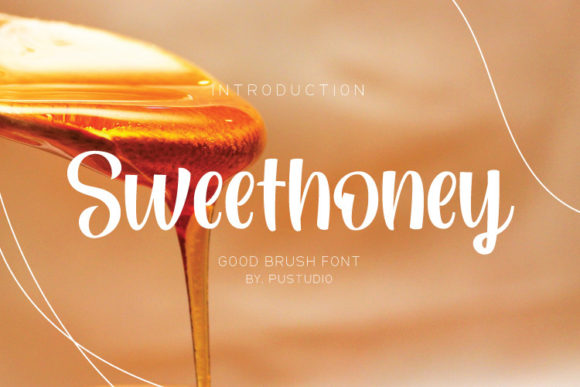
Sweethoney Font: A Display Typeface for Creative Makers
There’s something magical about the moment you lay eyes on a font that just feels right. For me, it happened when I opened Sweethoney, a display font that brought a soft, handcrafted charm to my latest candle label design. As a small business owner who leans heavily into handmade aesthetics, I know how much typography can influence the look and feel of your products. And with Sweethoney in my creative toolbox, I’ve been able to elevate everything from greeting cards to boutique tags with its paint-brushed handwritten style.
Sweethoney for Handmade Candle Labels and Product Branding
I recently spent an afternoon prepping new candles for a seasonal line, and as always, the labels were the first thing I focused on. The scent was calming lavender, the jars had a rustic matte finish, and I needed text that matched the gentle, artisanal vibe. That’s when I reached for Sweethoney. Its flowing, brush-like strokes gave the label a personal touch, like a note written by a dear friend. It wasn’t just readable—it felt welcoming.
What makes Sweethoney ideal for product branding is its balance between elegance and approachability. It doesn’t scream “look at me,” but it does whisper, “this is special.” Whether you’re making candles, bath bombs, or homemade jams, adding this font to your packaging instantly gives your items more character. And because it's a PUA-encoded font, I never worry about missing characters or formatting issues—especially important when I’m designing across multiple platforms for print and digital use.
Creating Greeting Cards and Invitations with Sweethoney
Greeting cards are one of my favorite projects to work on, especially around holidays and birthdays. I often test fonts on mockups before finalizing them for production, and when I used Sweethoney on a birthday card layout, the difference was immediate. The script added warmth and sincerity to the message, making each card feel like a heartfelt gift rather than just another printable.
For wedding invitations, Sweethoney proved equally effective. I designed a suite with a soft watercolor background and paired the font with a simple serif typeface to maintain readability while keeping the overall theme romantic and classic. The result? A cohesive look that felt both modern and timeless. My clients loved the preview, and it made me proud to know that the font could help tell their story through design.
How Sweethoney Enhances Boutique Packaging Design
When you're running a boutique or small shop, your packaging is often the first impression customers have of your brand. I’ve used Sweethoney on custom tissue paper wraps, gift boxes, and even shipping tags. The font adds a layer of authenticity that makes people pause and take notice. It’s not just about looking good—it’s about feeling good. And that emotional connection is what turns a quick glance into a sale.
One trick I use is varying the weight and spacing slightly depending on the size of the package. For smaller tags, I keep the lettering tight and clean; for larger boxes, I let it flow more freely. Either way, Sweethoney maintains its charm without becoming illegible. It’s also great for layered designs where you might want to highlight a name or phrase over a patterned background.
Using Sweethoney in Farmhouse Sign Projects
Farmhouse signs are all about simplicity and personality, and Sweethoney fits perfectly into that niche. I created a few sample signs for a local market using this display font—think “Welcome Home” on a weathered wood board or “Gratitude” above a mantel. The soft curves and slight irregularities in the brushstrokes gave the signs a lived-in, authentic feel that really resonated with buyers.
What I love most is how versatile it is. You can scale it up for large wall art or down for subtle corner accents. Just make sure to test it at different sizes before printing, especially if you’re working with textured materials or intricate backgrounds. Sweethoney handles both beautifully, but like any font, it needs some thoughtful placement to shine.
Sweethoney in Planner Pages and Wall Art Templates
As someone who creates digital planners and wall art templates, I’m always on the lookout for fonts that add visual interest without overwhelming the layout. Sweethoney has become a go-to for decorative headers, motivational quotes, and seasonal themes. Its handwritten nature gives each piece a personal, crafted quality that mass-produced designs simply can’t replicate.
For planner pages, I pair Sweethoney with a clean sans serif font to ensure legibility in body text while still allowing the header to pop. In wall art, I experiment with color overlays and textures to match the mood of the quote. Because Sweethoney is a display font, it works best in short bursts—perfect for impactful titles or elegant captions.
Designing Seasonal Products with Sweethoney
Every year, I spend time preparing holiday-themed products—Christmas tags, Easter cards, Fourth of July stickers, and more. This past fall, I used Sweethoney on pumpkin spice mug labels and autumn greeting cards. The font’s warm, organic feel complemented the cozy season perfectly. It didn’t clash with the colors or patterns I used; instead, it enhanced them.
One thing I learned quickly is that Sweethoney is particularly strong in short phrases. For longer text, such as journal prompts or informational guides, I switch to a complementary font to maintain clarity. But for names, titles, and decorative elements, Sweethoney is unmatched in bringing a handmade, lovingly crafted aesthetic to life.
Testing Sweethoney on Stickers and Small Merchandise
Before committing to a batch of stickers or tote bags, I always do a test print. Recently, I printed out a few samples with Sweethoney for a set of self-care stickers. The font held up well even at a small size, which is essential when you’re working with cutting machines like Cricut or Silhouette. The letters weren’t too thin or too thick, and the natural flow made them easy to read from a distance.
For physical merchandise like mugs or shirts, I suggest testing the font on fabric swatches or mockups first. Brushed scripts can sometimes lose definition when heat pressed onto cotton, but with the right settings and a little trial and error, Sweethoney remains clear and charming. Its PUA encoding also helps eliminate guesswork when choosing alternate characters or symbols.
Pairing Sweethoney with Other Fonts for Balanced Typography
While Sweethoney is stunning on its own, it becomes even more powerful when paired with other fonts. I often combine it with a minimalist sans serif like Raleway or Lato for a fresh, modern contrast. Alternatively, a simple serif like Merriweather or Playfair Display offers a more refined pairing, especially for luxury items or formal stationery.
The key is to let Sweethoney be the star. Use it for headlines, logos, or signature lines, then choose a supporting font that won’t compete for attention. This kind of typographic harmony helps create a cohesive brand identity that customers recognize and trust.
Font Licensing and Readiness for Commercial Use
Before selling anything with Sweethoney, I always double-check the licensing terms. Since it’s a commercial font, it’s suitable for a wide range of uses—from handmade products to digital downloads—but it’s important to confirm whether it allows for unlimited sales or requires attribution. Many creators overlook this step, so take a moment to review the included file documentation or reach out to the designer if unsure.
Also, consider what styles come with the font. Does it include alternates, ligatures, or swashes? These tiny details can make your designs feel more polished. And if you’re creating SVG-style files for cutting machines, knowing which characters are available and how they render is crucial for accuracy and consistency.
Making Shop Mockups and Listing Images with Sweethoney
When showcasing products online, the right typography can make all the difference. I’ve found that using Sweethoney in listing images and shop previews adds a layer of professionalism and creativity. Whether it’s a preview image for a printable wall art bundle or a social media graphic for a new candle launch, the font draws the eye and invites engagement.
I usually start with a high-quality mockup template and overlay Sweethoney in a prominent position. Sometimes it’s a title, other times it’s a tagline or a featured quote. Either way, it helps convey the tone of the product—wholesome, artistic, or celebratory—depending on what I’m trying to sell. And because it’s a display font, it’s perfect for bold statements and brand highlights.
Why Sweethoney Belongs in Every Maker’s Font Library
If there’s one thing I’ve learned in my years of crafting and selling digital products, it’s that the right font can transform a project from ordinary to unforgettable. Sweethoney isn’t just another pretty script—it’s a tool that connects your creations with your audience on a deeper level. It brings warmth to every design, from product tags to printable templates, and its handwritten style gives your work a sense of authenticity and care.
Whether you’re a seasoned Etsy seller or a hobbyist experimenting with new ideas, Sweethoney is a font worth considering. It’s ready for display use, packed with charm, and optimized for real-world applications. So next time you’re designing a label, invitation, or sign, remember the quiet confidence this font brings to the table. Let it speak for itself—and your products will too.